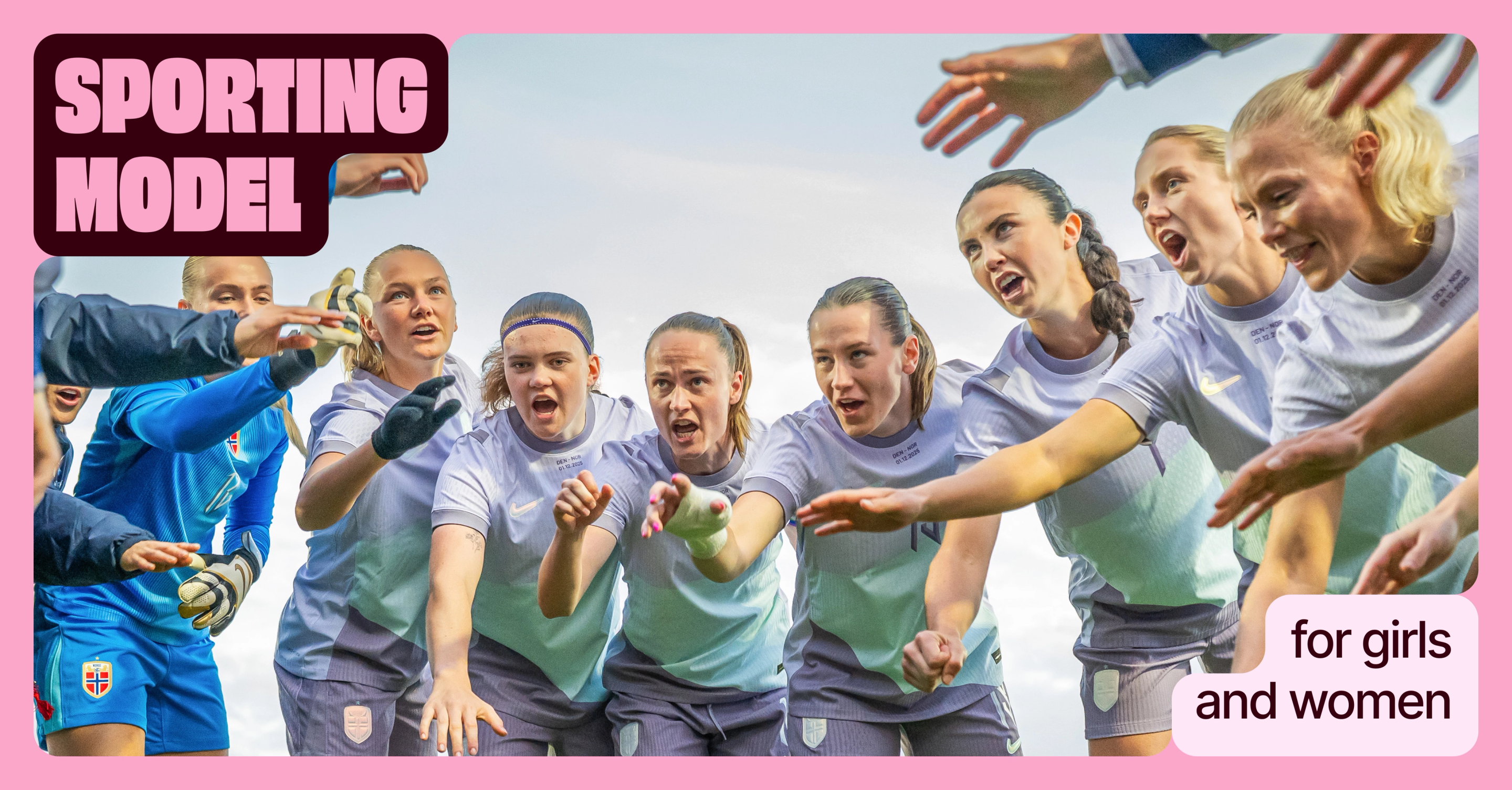
The Norwegian model is built on collaboration and a broad and holistic approach to development. The goal is to create a lasting love of football, while developing players and teams that compete at the national and international top level.
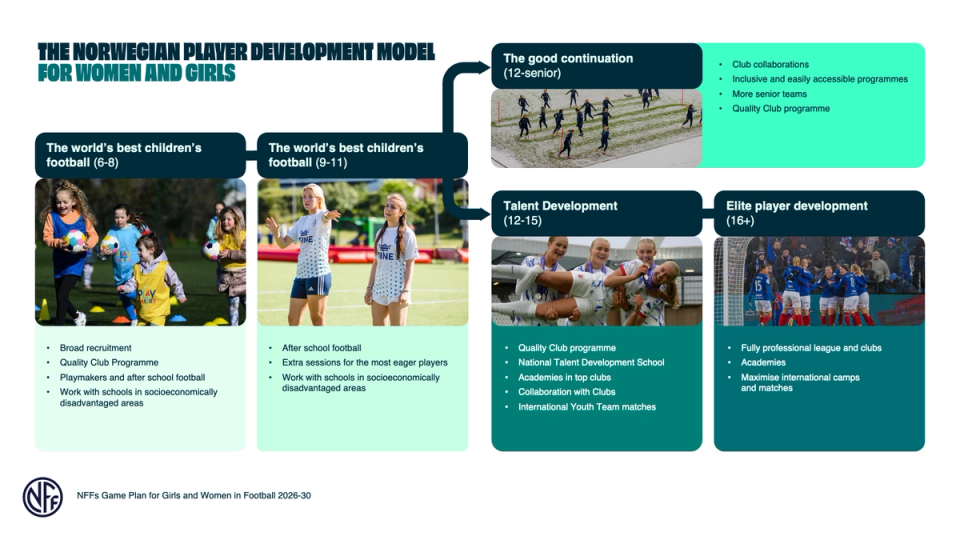
Girls and boys develop differently, and in order to capture the uniqueness of girls' development, a central part of this game plan is to launch "The Norwegian model for player development of girls and women."
The world's best children's football (6-11 years) will take place in the local community, driven by quality clubs that provide an offer adapted to the girls' abilities, wishes and needs. Playmakers are used as an effective recruitment tool on the girls' side. Community, well-being and security are the cornerstones.
As all of Norwegian football has a bias towards the boys' side, the clubs must work actively and focused to increase the proportion of girls, as well as female coaches and leaders in their clubs. Here, the NFF, both at the federation and the regions, will assist with clear and precise advice. We are focused on development from day one, because development is the very key to create motivation, belonging and lasting football joy. Here, we will also strengthen our efforts to get more girls with multicultural backgrounds into football. To succeed here, we must strengthen our cooperation with schools and establish more football leisure programs.
From the age of 12, the National Team School , the NFF's talent development model, starts in close collaboration with good talent development clubs in both grassroots and top football. Here, we are working to ensure that the top clubs can offer Academies (AK) from 2028, developed in close collaboration with the Quality Club+ concept. Together, these offers are central to the emergence we want of strong talent development environments on the girls' side. Player development must always be done individually, and a tailored follow-up adapted to each individual player, based on their needs, wishes and motivation.
At the same time, we take clear responsibility for the good continuation, a development course for everyone who wants to continue in football. We want to keep many more girls into and through adolescence. This requires greater knowledge and awareness of the violent transition it is for girls to go from being children to being adolescents. For too many years we have treated boys and girls the same, but re-recruiting girls in adolescence requires insight and a different approach.
From the age of 16, efforts are increasingly directed towards top player development. The top league will become a fully professional league, where player academies are offered in joint top clubs. The academies will be closely monitored by the association/interest organization (TFK) through a new Academy Classification Program. This is where the World Cup 35 project comes in and offers additional follow-up and individual tailoring. The goal is to prepare our greatest talents for play at the highest level, while maintaining the integrity of girls' football through coherent structures and a clear division of roles between club, district and association.
This is how we build girls' and women's football in Norway: together, long-term and with an eye on both the dream and the community.
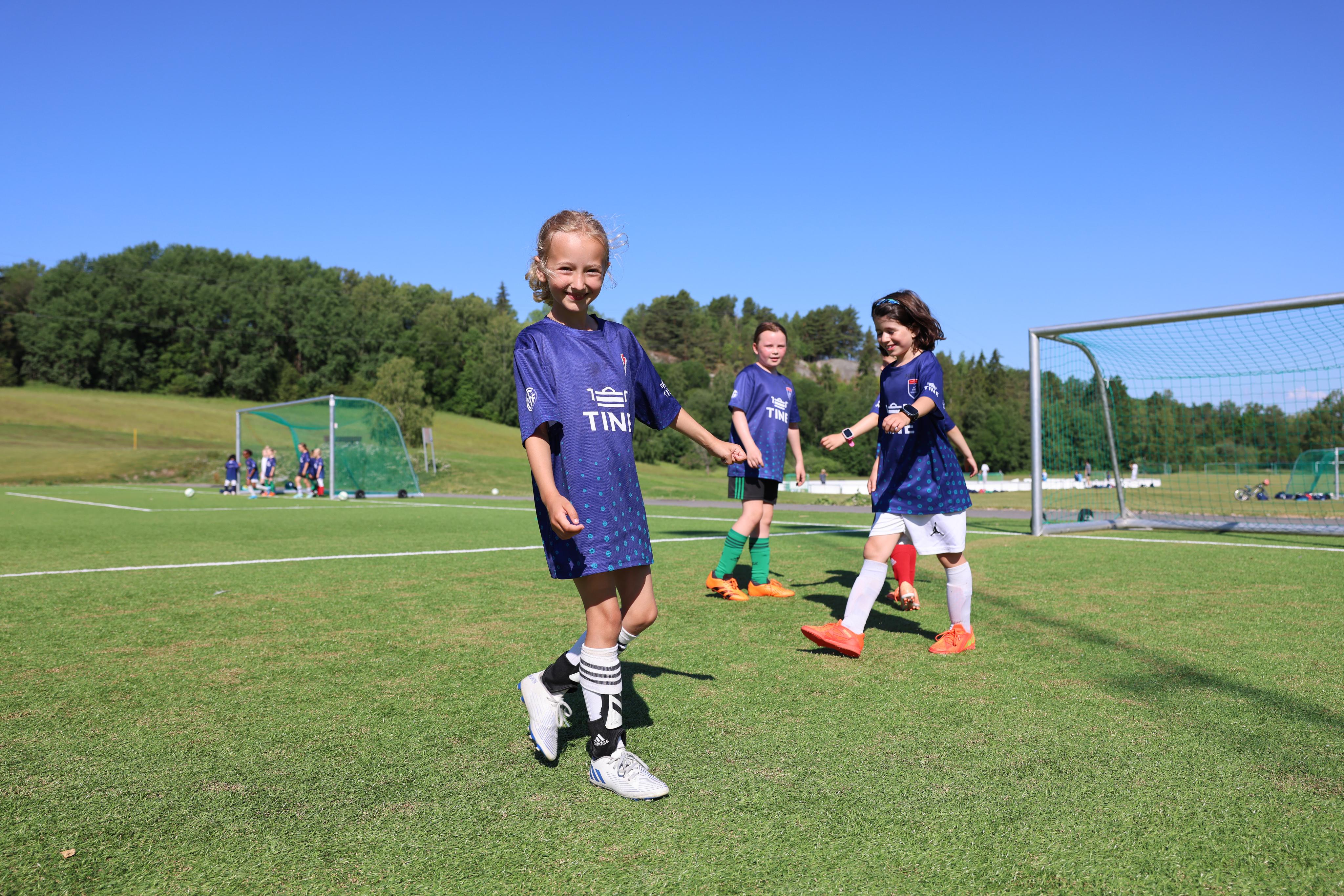
The world's best children's football
What do we do to recruit, develop, and retain more girls in football.
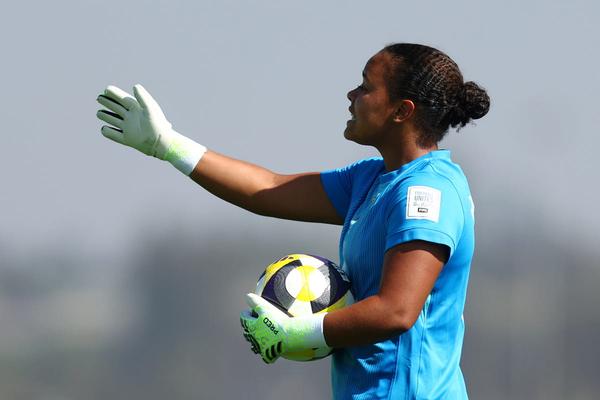
Talent development
What do we do to ensure that our greatest talents get the opportunity to realize their potential
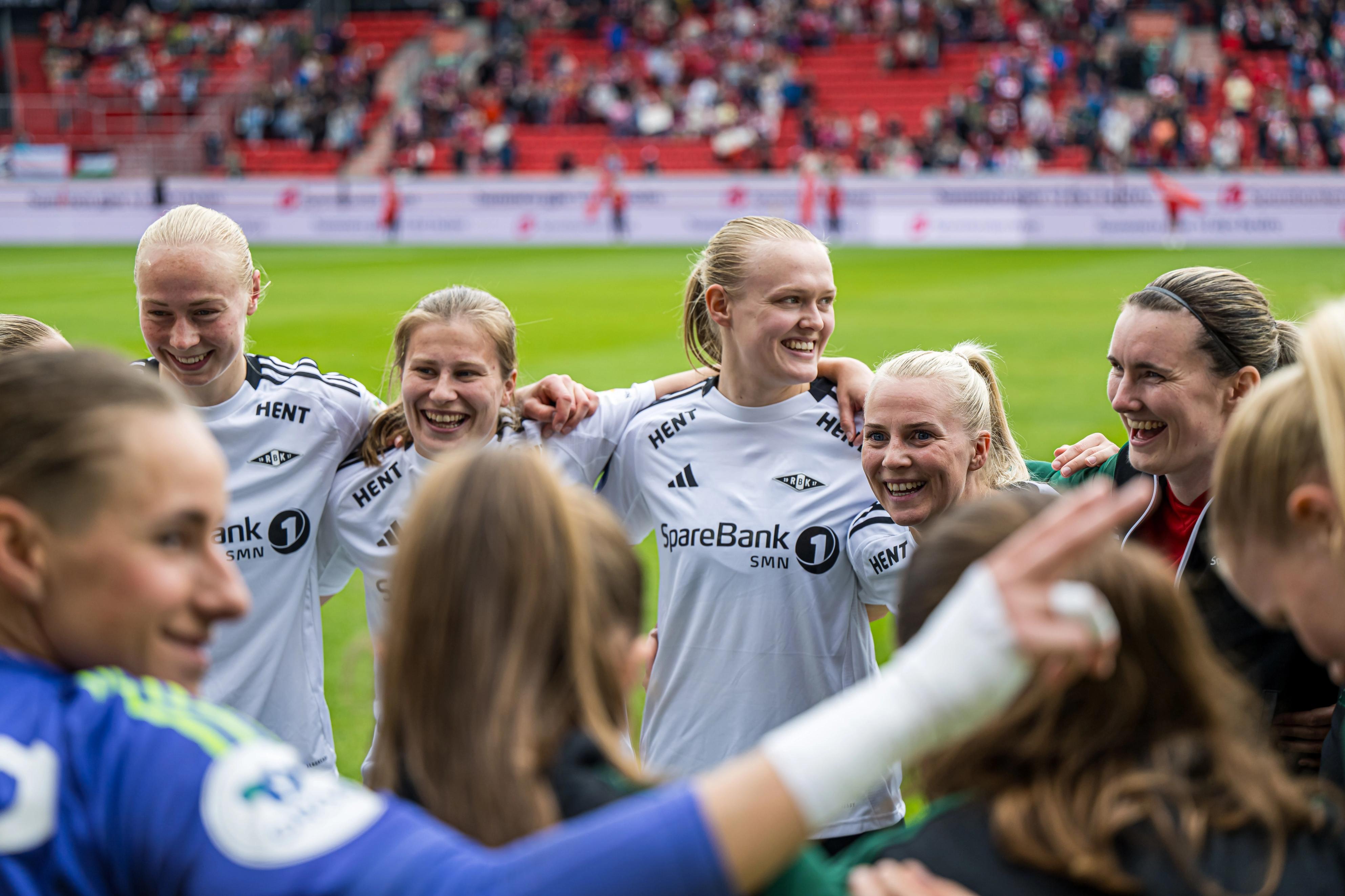
Elite club and national team
What do we do to ensure that the top levels of Norwegian women’s football are competitive internationally.
Number of women per regional association
| Regional association | Girls and women | Change (2024 vs 2023) | Boys and men | Total | Share of girls/women (%) |
|---|---|---|---|---|---|
| Agder | 5 321 | 10% | 15 542 | 20 863 | 26% |
| Akershus | 5 631 | 4% | 15 549 | 21 180 | 27% |
| Buskerud | 6 271 | 9% | 15 266 | 21 537 | 29% |
| Finnmark | 2 417 | 2% | 3 488 | 5 905 | 41% |
| Hordaland | 14 306 | 9% | 29 501 | 43 807 | 33% |
| Hålogaland | 2 069 | -2% | 4 916 | 6 985 | 30% |
| Indre Østland | 8 916 | -8% | 16 783 | 25 699 | 35% |
| Nordland | 3 657 | -9% | 7 491 | 11 148 | 33% |
| Nordmøre og Romsdal | 3 753 | 8% | 7 336 | 11 089 | 34% |
| Oslo | 20 166 | 8% | 48 094 | 68 260 | 30% |
| Rogaland | 13 741 | 1% | 29 211 | 42 952 | 32% |
| Sogn og Fjordane | 5 517 | 2% | 8 917 | 14 434 | 38% |
| Sunnmøre | 5 156 | 6% | 9 831 | 14 987 | 34% |
| Telemark | 4 126 | 5% | 8 181 | 12 307 | 34% |
| Troms | 3 670 | 6% | 7 472 | 11 142 | 33% |
| Trøndelag | 17 644 | 6% | 29 337 | 46 981 | 38% |
| Vestfold | 3 402 | 8% | 10 479 | 13 881 | 25% |
| Østfold | 4 538 | 9% | 15 444 | 19 982 | 23% |
| Totalsum | 130 301 | 282 838 | 413 139 | 32% |
Players 1st Member Survey
Measures satisfaction among the target groups: players, coaches, referees, and other volunteers.
Member satisfaction among girls and women per year:
2024: 27 NPS
2025: 25 NPS
- 5-8 years: 37 NPS
- 9-12 years: 28 NPS
- 13-15 years: 20 NPS
- 16-19 years: 8 NPS
- 20-29 years: 20 NPS
Different roles:
- Female coach: 39 NPS
- Female judge: 40 NPS
- Female player: 24 NPS
Club survey
Measures club leaders’ (across 11 different role groups) perception of the Norwegian Football Federation’s support for girls and women in football.
In 2025: Girls and women score 61 out of 100.
Next page